
Financial Planning for Business Owners

Our Process
Some of the biggest benefits of owning a business are the tax-savings opportunities available to small business owners (sole-proprietors, partnerships and incorporated businesses).
This starts with being able to claim for business some expenses that you would normally be paying for anyway (such as a reasonable part of your car expenses, your home office, cell phone, etc.). It can also end with you being able to claim up to $406,800 tax-free from the sale of your “Qualified Small Business Corporation”.
You can also use your corporation to save on taxes for your medical & dental expenses (through the Personal Health Savings Plan), your Critical Illness Plan (with extra tax savings when paired with a Return of Premium rider), and your life insurance (that can be passed on with tax-savings through the CDA/Capital Dividend Account).
All it takes is some proactive planning – because the day before you file your tax return is just a little too late to take advantage of these benefits.
On the other hand, the biggest risk to a business is probably the death or illness of key personnel.
So if you or someone in your organization is key to keeping the business going, it’s essential to have solutions in place to help make sure your business can ride through the wave of a sudden serious accident, major illness, or death of that key person.
This can include not only disability, critical illness or life insurance, but also financial plans to support your back-up plans to keep your business operating and avoid losing your customers.
After all, when you’ve worked so hard to get through the beginning years, you really wouldn’t want unexpected circumstances to put your back to where you started – or worse, in major debt.
So call me for a review of your old business financial plan or if you’d like a fresh set of eyes on it. I can also give you information on some not-so-common but can-be-very-effective tax-savings ideas that you can review with your business tax accountant (that he or she may not be quite familiar with).
Articles with Tax Savings & Business Continuity Ideas for your Small Business
 https://f5d.97c.myftpupload.com/wp-content/uploads/2020/04/Business_Owners_Qualification_850px.png
600
850
Dytuco Financial
http://f5d.97c.myftpupload.com/wp-content/uploads/2016/10/Header-image-Medy-Different-Perspective-smaller.jpg
Dytuco Financial2020-04-08 15:50:562020-04-08 23:54:14Rules changed to allow more struggling business owners access to CERB, Wage Subsidy. Summer jobs program increased to 100%
https://f5d.97c.myftpupload.com/wp-content/uploads/2020/04/Business_Owners_Qualification_850px.png
600
850
Dytuco Financial
http://f5d.97c.myftpupload.com/wp-content/uploads/2016/10/Header-image-Medy-Different-Perspective-smaller.jpg
Dytuco Financial2020-04-08 15:50:562020-04-08 23:54:14Rules changed to allow more struggling business owners access to CERB, Wage Subsidy. Summer jobs program increased to 100% https://f5d.97c.myftpupload.com/wp-content/uploads/2020/03/Trudeau-Wage_subsidy_75percent.png
337
500
Dytuco Financial
http://f5d.97c.myftpupload.com/wp-content/uploads/2016/10/Header-image-Medy-Different-Perspective-smaller.jpg
Dytuco Financial2020-03-27 11:40:562020-03-27 20:12:23Help for Small/Medium Businesses & Entrepreneurs – 75% wage subsidy, $40,000 interest-free loan & more
https://f5d.97c.myftpupload.com/wp-content/uploads/2020/03/Trudeau-Wage_subsidy_75percent.png
337
500
Dytuco Financial
http://f5d.97c.myftpupload.com/wp-content/uploads/2016/10/Header-image-Medy-Different-Perspective-smaller.jpg
Dytuco Financial2020-03-27 11:40:562020-03-27 20:12:23Help for Small/Medium Businesses & Entrepreneurs – 75% wage subsidy, $40,000 interest-free loan & more https://f5d.97c.myftpupload.com/wp-content/uploads/2020/01/2020CheatSheetFI.png
810
1440
Dytuco Financial
http://f5d.97c.myftpupload.com/wp-content/uploads/2016/10/Header-image-Medy-Different-Perspective-smaller.jpg
Dytuco Financial2020-01-16 11:23:182020-01-16 19:36:072020 Financial Facts for Business Owners
https://f5d.97c.myftpupload.com/wp-content/uploads/2020/01/2020CheatSheetFI.png
810
1440
Dytuco Financial
http://f5d.97c.myftpupload.com/wp-content/uploads/2016/10/Header-image-Medy-Different-Perspective-smaller.jpg
Dytuco Financial2020-01-16 11:23:182020-01-16 19:36:072020 Financial Facts for Business Owners https://f5d.97c.myftpupload.com/wp-content/uploads/2020/01/2020calendarFeaturedImage.png
512
1024
Dytuco Financial
http://f5d.97c.myftpupload.com/wp-content/uploads/2016/10/Header-image-Medy-Different-Perspective-smaller.jpg
Dytuco Financial2020-01-16 11:23:182020-01-16 19:33:142020 Financial Calendar
https://f5d.97c.myftpupload.com/wp-content/uploads/2020/01/2020calendarFeaturedImage.png
512
1024
Dytuco Financial
http://f5d.97c.myftpupload.com/wp-content/uploads/2016/10/Header-image-Medy-Different-Perspective-smaller.jpg
Dytuco Financial2020-01-16 11:23:182020-01-16 19:33:142020 Financial Calendar https://f5d.97c.myftpupload.com/wp-content/uploads/2018/03/FederalBudget2018-BusinessOwners-1.png
600
600
Dytuco Financial
http://f5d.97c.myftpupload.com/wp-content/uploads/2016/10/Header-image-Medy-Different-Perspective-smaller.jpg
Dytuco Financial2018-03-04 21:00:002018-03-04 21:12:092018 Federal Budget Highlights for Business
https://f5d.97c.myftpupload.com/wp-content/uploads/2018/03/FederalBudget2018-BusinessOwners-1.png
600
600
Dytuco Financial
http://f5d.97c.myftpupload.com/wp-content/uploads/2016/10/Header-image-Medy-Different-Perspective-smaller.jpg
Dytuco Financial2018-03-04 21:00:002018-03-04 21:12:092018 Federal Budget Highlights for Business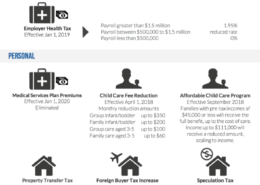 https://f5d.97c.myftpupload.com/wp-content/uploads/2018/02/BC_Budget_2018-Magdalena-Medy-Dytuco.png
792
612
Dytuco Financial
http://f5d.97c.myftpupload.com/wp-content/uploads/2016/10/Header-image-Medy-Different-Perspective-smaller.jpg
Dytuco Financial2018-02-22 22:00:002018-02-22 22:12:35BC Budget Highlights 2018
https://f5d.97c.myftpupload.com/wp-content/uploads/2018/02/BC_Budget_2018-Magdalena-Medy-Dytuco.png
792
612
Dytuco Financial
http://f5d.97c.myftpupload.com/wp-content/uploads/2016/10/Header-image-Medy-Different-Perspective-smaller.jpg
Dytuco Financial2018-02-22 22:00:002018-02-22 22:12:35BC Budget Highlights 2018 https://f5d.97c.myftpupload.com/wp-content/uploads/2017/10/BC_Budget_Update-Magdalena-Medy-Dytuco.png
792
612
Dytuco Financial
http://f5d.97c.myftpupload.com/wp-content/uploads/2016/10/Header-image-Medy-Different-Perspective-smaller.jpg
Dytuco Financial2017-10-12 20:06:192017-10-12 20:09:06BC Budget Update
https://f5d.97c.myftpupload.com/wp-content/uploads/2017/10/BC_Budget_Update-Magdalena-Medy-Dytuco.png
792
612
Dytuco Financial
http://f5d.97c.myftpupload.com/wp-content/uploads/2016/10/Header-image-Medy-Different-Perspective-smaller.jpg
Dytuco Financial2017-10-12 20:06:192017-10-12 20:09:06BC Budget Update https://f5d.97c.myftpupload.com/wp-content/uploads/2017/03/Flag_of_Canada.svg_.png
640
1280
Dytuco Financial
http://f5d.97c.myftpupload.com/wp-content/uploads/2016/10/Header-image-Medy-Different-Perspective-smaller.jpg
Dytuco Financial2017-03-30 08:23:422017-04-05 21:09:36Federal Budget 2017: Business
https://f5d.97c.myftpupload.com/wp-content/uploads/2017/03/Flag_of_Canada.svg_.png
640
1280
Dytuco Financial
http://f5d.97c.myftpupload.com/wp-content/uploads/2016/10/Header-image-Medy-Different-Perspective-smaller.jpg
Dytuco Financial2017-03-30 08:23:422017-04-05 21:09:36Federal Budget 2017: Business https://f5d.97c.myftpupload.com/wp-content/uploads/2016/12/Corporate-estate-transfer.jpg
389
821
Dytuco Financial
http://f5d.97c.myftpupload.com/wp-content/uploads/2016/10/Header-image-Medy-Different-Perspective-smaller.jpg
Dytuco Financial2017-03-01 13:05:522017-04-05 21:20:08The Corporate Estate Transfer
https://f5d.97c.myftpupload.com/wp-content/uploads/2016/12/Corporate-estate-transfer.jpg
389
821
Dytuco Financial
http://f5d.97c.myftpupload.com/wp-content/uploads/2016/10/Header-image-Medy-Different-Perspective-smaller.jpg
Dytuco Financial2017-03-01 13:05:522017-04-05 21:20:08The Corporate Estate Transfer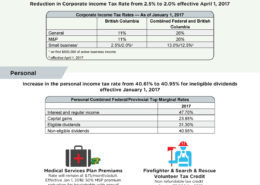 https://f5d.97c.myftpupload.com/wp-content/uploads/2017/02/BC-BUDGET-2017.jpg
1584
1224
Dytuco Financial
http://f5d.97c.myftpupload.com/wp-content/uploads/2016/10/Header-image-Medy-Different-Perspective-smaller.jpg
Dytuco Financial2017-02-23 09:59:032017-02-23 09:59:03BC Budget 2017
https://f5d.97c.myftpupload.com/wp-content/uploads/2017/02/BC-BUDGET-2017.jpg
1584
1224
Dytuco Financial
http://f5d.97c.myftpupload.com/wp-content/uploads/2016/10/Header-image-Medy-Different-Perspective-smaller.jpg
Dytuco Financial2017-02-23 09:59:032017-02-23 09:59:03BC Budget 2017 https://f5d.97c.myftpupload.com/wp-content/uploads/2016/12/safety-net.jpg
200
600
Dytuco Financial
http://f5d.97c.myftpupload.com/wp-content/uploads/2016/10/Header-image-Medy-Different-Perspective-smaller.jpg
Dytuco Financial2017-02-01 11:54:172017-04-05 21:20:57Investing with a Safety Net
https://f5d.97c.myftpupload.com/wp-content/uploads/2016/12/safety-net.jpg
200
600
Dytuco Financial
http://f5d.97c.myftpupload.com/wp-content/uploads/2016/10/Header-image-Medy-Different-Perspective-smaller.jpg
Dytuco Financial2017-02-01 11:54:172017-04-05 21:20:57Investing with a Safety Net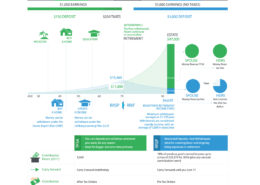 https://f5d.97c.myftpupload.com/wp-content/uploads/2017/01/Medy_Dytuco__tfsaOrRRSP-1.jpg
1582
1174
Dytuco Financial
http://f5d.97c.myftpupload.com/wp-content/uploads/2016/10/Header-image-Medy-Different-Perspective-smaller.jpg
Dytuco Financial2017-01-01 09:03:532017-02-06 21:39:21TFSA or RRSP: What’s the difference?
https://f5d.97c.myftpupload.com/wp-content/uploads/2017/01/Medy_Dytuco__tfsaOrRRSP-1.jpg
1582
1174
Dytuco Financial
http://f5d.97c.myftpupload.com/wp-content/uploads/2016/10/Header-image-Medy-Different-Perspective-smaller.jpg
Dytuco Financial2017-01-01 09:03:532017-02-06 21:39:21TFSA or RRSP: What’s the difference?

